
Link audits
When to Run a Full Link Audit
Deep audits are not for every day. Here are the moments when a complete crawl really pays off.
Practical, honest advice from the team behind DeadLinkr, written to help you do this well.
Deep audits are not for every day. Here are the moments when a complete crawl really pays off.

Understanding how a crawler sees your site helps you fix what it finds. Here is the short version.

Redirect chains hide in plain sight. Here is how to read a map of them and flatten the mess.

The best time to catch broken links is before launch. Here is the checklist to run first.

Not every missing page returns a clean error. Here is why soft 404s are the sneaky ones.

Search engines only crawl so much. Here is how dead ends spend that budget on nothing.

Big sites hide their broken links well. Here is how to audit thoroughly at scale.

A report is only useful if someone can act on it. Here is how to hand off an audit cleanly.

A migration is not done at launch. Here is the audit that confirms it actually worked.

Outbound links break on someone else's schedule, and you only find out when somebody checks. Here is a workable process for finding them, deciding what to do with each one, and keeping the fixes from piling up.

A redirect loop that reappears almost always has more than one author. Here is where loops actually come from, why a fix at one layer does not hold, and how to make the correction stick.

A ten page site does not need weekly crawls, but it should not wait for a customer to report a dead booking link either. A cadence based on how the site actually changes, and which links matter most.

An audit with four hundred rows is not four hundred problems of equal weight. A triage method that gets the important fixes done this week and puts everything else in a backlog the team will actually work through.

Orphan pages are live URLs with no internal links pointing at them. Some should be linked back in, some redirected, and some removed. How to sort them without guessing, and how to stop creating new ones.

Standard crawlers read HTML anchors. Links inside PDFs, script-rendered menus, and click handlers can rot for years without appearing in any report. Here is how to surface them and keep them in scope.

The page opens fine for you, but the audit says 403, 429, or timeout. Neither is lying. How bot protection, caching, and request headers create the gap, and how to tell real failures from unverified ones.
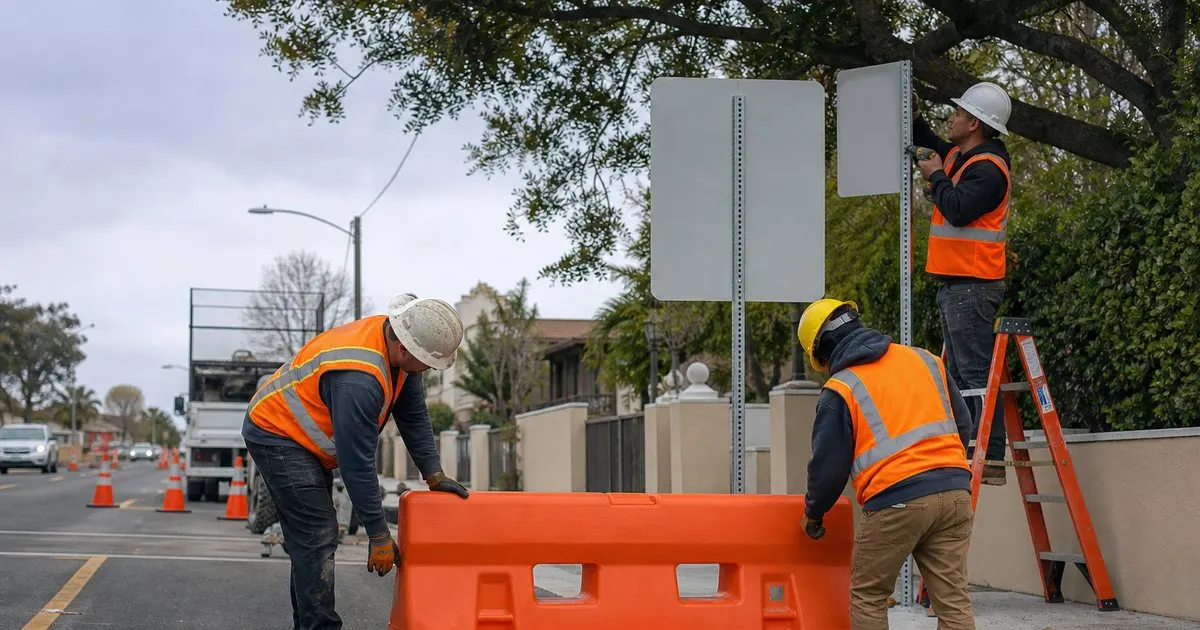
Most SEO advice says to always use a 301. That is right most of the time and wrong in a few specific cases. The cases where a temporary redirect is correct, where it is a mistake, and how to audit the ones you already have.

Affiliate and campaign links carry parameters, pass through cloakers and network redirects, and fail in ways a plain 404 check cannot see. A method that finds the real failures while keeping attribution and click counts honest.
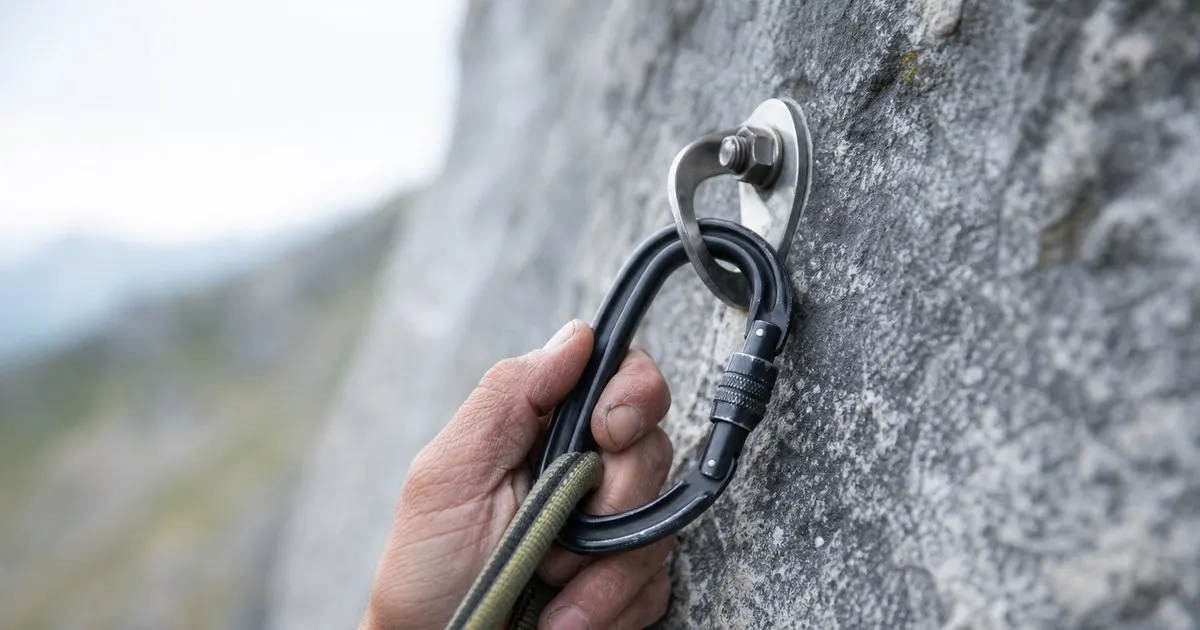
Anchor links fail in the browser, not on the server, so a broken jump link still returns a healthy 200 and never shows up in a standard audit. Here is why they rot and how to test them properly.

Staging and localhost addresses survive launches in places a normal broken link report never looks. This is the sweep we run to find every one of them, and the setup that stops them coming back.